
AI Restaurant Inventory Management vs Traditional Tools
Restaurant owners evaluating new systems often start with a familiar question: Which inventory tool should we choose? Most platforms promise stock tracking, supplier management, and reporting. But the real difference today isn’t just better tracking—it’s AI restaurant inventory management that actively helps kitchens operate smarter.
Traditional tools like Lightspeed and standard inventory platforms were built primarily to record what has already happened. Modern AI-driven systems are designed to help kitchens decide what should happen next. For owners and managers looking to improve margins, reduce waste, and simplify operations, that distinction matters.
KitchenCrew approaches this problem differently. Instead of another inventory database, it acts more like an intelligent operational partner for the kitchen.
Why Traditional Restaurant Inventory Tools Hit a Ceiling

Most restaurant inventory systems focus on three core capabilities:
- Logging stock counts
- Generating reports
- Creating purchase orders
Platforms like Lightspeed, MarketMan, or similar tools are helpful for digitizing processes that were previously handled with spreadsheets or paper. But they typically rely heavily on manual workflows.
Common limitations owners run into include:
Static Data Instead of Operational Insight
Traditional systems show what inventory exists today, but they rarely explain why certain patterns are happening or what actions to take next. Managers still need to interpret the data themselves.
Limited Workflow Automation
Most tools require managers to manually:
- review inventory levels
- decide when to order
- compare suppliers
- adjust menus when ingredients change
Even when the software is well designed, the decision-making burden still falls entirely on the operator.
Disconnected Kitchen Processes
Inventory, menu planning, ordering, and cost analysis often live in separate tools. This fragmentation leads to:
- duplicated data entry
- missed insights between systems
- slower operational decisions
This is where AI restaurant inventory management begins to change the picture.
What AI Restaurant Inventory Management Actually Does Differently
AI-based systems don’t just store operational data—they interpret it.
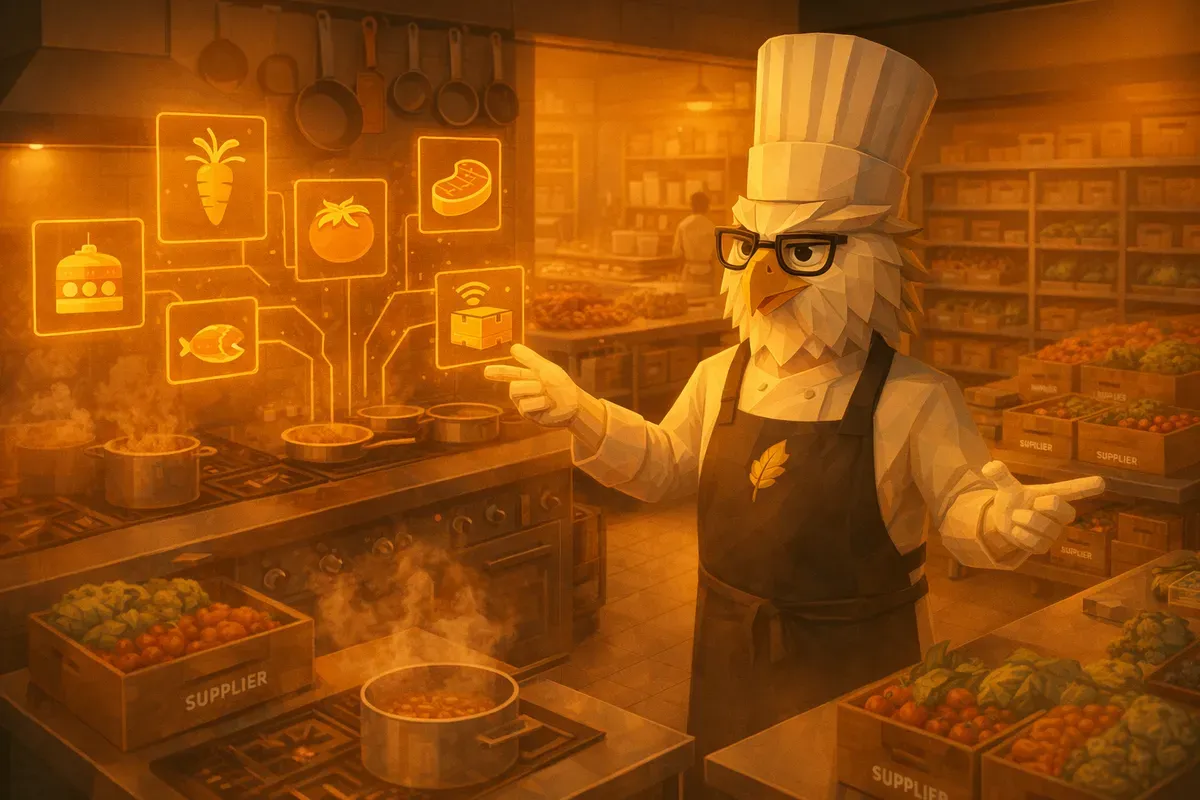
KitchenCrew was designed around the idea that restaurant software should actively assist kitchen decisions, not simply record them. Ivy, KitchenCrew’s inventory and procurement specialist, represents how this works in practice.
Instead of forcing managers to constantly check dashboards, Ivy monitors inventory activity and helps coordinate the next steps automatically.
Key capabilities include:
Intelligent Inventory Awareness
KitchenCrew continuously analyzes inventory levels, usage patterns, and expiration timelines. Instead of waiting for someone to notice issues, the system can highlight risks such as:
- ingredients approaching expiry
- abnormal usage spikes
- stock levels that may cause shortages
For operators managing multiple locations or busy kitchens, this reduces the constant need for manual checking.
Automated Supplier Ordering
Supplier coordination is one of the most time-consuming kitchen workflows. KitchenCrew simplifies this by allowing Ivy to prepare or automate purchase orders based on real stock needs.
Rather than managers manually compiling order lists, the system can:
- suggest order quantities
- track supplier performance
- manage recurring purchasing patterns
This reduces administrative workload while improving ordering accuracy.
Inventory Connected to Menu Planning
One of the biggest operational blind spots in many restaurants is the disconnect between inventory and menu decisions.
KitchenCrew connects these systems so chefs and managers can plan menus based on real stock availability and seasonal ingredients. Chef Cook, the platform’s culinary intelligence component, works alongside inventory data to guide smarter menu design.
You can explore how this works in more detail here:
/ blog / ai-menu-planning-for-restaurants-how-chefcook-helps-chefs-create-smarter-menus
Operational Visibility for Owners
Restaurant owners often lack a clear view of how inventory decisions affect profitability across locations.
KitchenCrew’s dashboards help leadership teams track:
- ingredient cost trends
- supplier reliability
- food waste patterns
- operational efficiency across kitchens
Instead of reacting to monthly reports, managers can respond to issues much earlier.
Why AI Matters in the Consideration Stage

When evaluating restaurant software, many operators compare feature checklists. But the more important question is how much thinking the system does for you.
Traditional tools provide structure. AI-enabled platforms provide operational intelligence.
For restaurant owners and managers, this difference shows up in several ways:
- fewer manual processes across the kitchen
- faster decisions when inventory changes
- better coordination between chefs, managers, and suppliers
- clearer visibility into operational costs
The result is not just improved inventory management, but a more connected kitchen workflow overall.
AI adoption is becoming increasingly common across the hospitality industry. If you’re exploring how smaller restaurants are already using it in practice, this article breaks down several real examples:
/ blog / ai-for-small-restaurants-practical-ways-to-benefit-from-the-ai-revolution
Evaluating the Right System for Your Kitchen
For restaurants currently using spreadsheets or legacy tools, upgrading inventory management is often the first step toward operational modernization. But the category itself is evolving.
Choosing between systems is no longer just about tracking stock efficiently. Increasingly, it’s about whether the platform helps kitchens:
- anticipate problems before they happen
- automate repetitive coordination tasks
- connect operational data across the business
AI restaurant inventory management represents a shift from passive software to active operational support.
For owners in the consideration stage, the key question becomes simple: Do you want software that records your kitchen activity, or software that helps run it?
Written by
Kitchen Crew
Tips and guides for kitchens that would rather cook than write supplier emails.
Related Articles
You might also find these useful
AI for Small Restaurants: Practical Wins
AI for small restaurants without enterprise suites: ordering drafts, inventory workflow, menu ideas. Practical steps—and where KitchenCrew fits for Swiss teams.

AI Menu Planning for Restaurants: How ChefCook Helps Chefs Create Smarter Menus
Discover how ChefCook assists chefs with creative menu planning using past specials, bestsellers, and AI-powered brainstorming.