
Restaurant Kitchen Operations Software
Restaurant owners rarely struggle because of one big operational failure. Most problems come from small inefficiencies that stack up: missing stock visibility, rushed supplier orders, spreadsheets that don’t match reality, and menu decisions made without clear cost data.
That’s exactly the gap modern kitchen operations software is designed to solve.
KitchenCrew brings the core operational layers of a restaurant into one connected system. Inventory, supplier ordering, menu planning, and operational analytics all work together instead of living in separate tools. The result is a kitchen that runs with more clarity, less waste, and far fewer daily friction points.
For operators who already know their current systems are holding them back, the real question isn’t whether to modernize kitchen operations—it’s how to do it in a way that actually improves results.
What Kitchen Operations Software Changes Day‑to‑Day
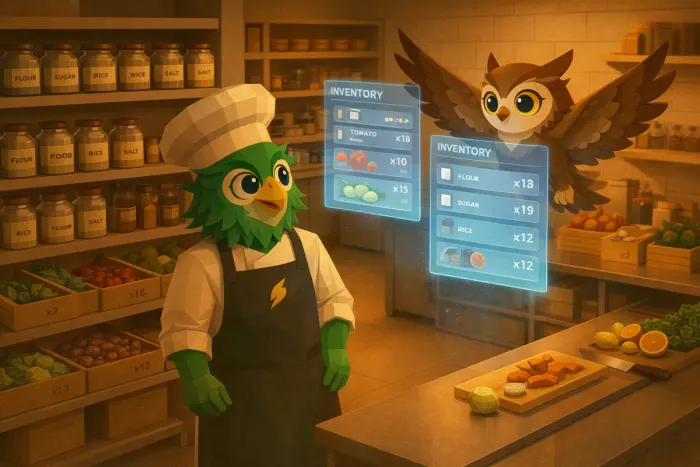
In many restaurants, operations are fragmented:
• Inventory is tracked in spreadsheets or notebooks
• Supplier orders are handled through emails, calls, or multiple portals
• Menu planning happens without full cost or stock awareness
• Reporting arrives too late to influence decisions
A unified restaurant inventory platform like KitchenCrew connects these workflows so the kitchen operates from a single source of truth.
Instead of reacting to problems after they happen, teams can see what’s happening across inventory, purchasing, and menu performance in real time.
The practical impact shows up quickly:
• Less time spent reconciling stock counts
• Faster and more accurate supplier ordering
• Clear insight into ingredient usage and waste
• Data-backed decisions on menu adjustments
These improvements may seem small individually, but together they fundamentally change how a kitchen runs.
Lower Food Waste Through Smarter Visibility
Food waste is one of the most persistent cost drains in restaurant operations. It’s rarely caused by negligence—more often it’s the result of limited visibility.
A proper reduce food waste software approach focuses on three things:
Expiry awareness
KitchenCrew tracks inventory and expiry timelines so ingredients aren’t forgotten in storage. This gives chefs the opportunity to adjust menus or specials before products are lost.
Usage intelligence
When ingredient consumption is tracked consistently, kitchens can see patterns they normally miss:
• which items move slower than expected
• which dishes cause ingredient spikes
• where purchasing quantities drift from reality
Menu-aware inventory
KitchenCrew’s menu planning features—powered by Chef Cook—connect directly with stock data. That means menu decisions can reflect what’s already available in the kitchen.
If you want to explore that capability more deeply, see how it works in practice here:
/ai-menu-planning-for-restaurants-how-chefcook-helps-chefs-create-smarter-menus
The result isn’t just lower waste—it’s better alignment between what the kitchen buys, stores, and actually sells.
Smoother Supplier Ordering Without Daily Chaos
Ordering from suppliers is another area where small inefficiencies create constant operational stress.
Without structured systems, ordering often means:
• checking multiple stock lists
• guessing reorder quantities
• manually reviewing supplier options
• tracking discounts or deals across messages
KitchenCrew’s procurement layer, led by Ivy, turns this into a structured workflow. Inventory levels inform order suggestions, suppliers are organized within one interface, and ordering history becomes searchable and transparent.
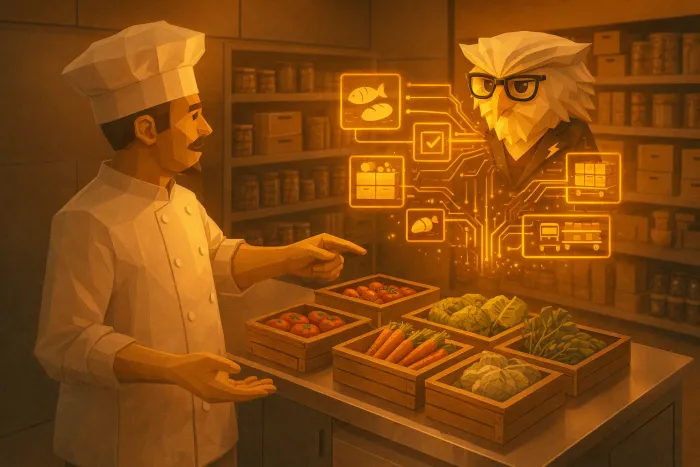
Instead of rebuilding orders from scratch every time, teams work from intelligent suggestions based on real stock levels and past usage.
If supplier coordination is currently a daily pain point, this guide explains how the system works in more detail:
/how-ivy-simplifies-restaurant-supplier-management-and-ordering-setup
The key benefit is consistency. Ordering becomes predictable rather than reactive.
Better Planning Across Multiple Locations
For restaurant groups and growing brands, operational complexity multiplies quickly.
Multiple locations often mean:
• inconsistent stock processes
• different ordering habits per kitchen
• difficulty comparing performance
• limited visibility into waste patterns
A centralized restaurant automation solution like KitchenCrew provides operators with unified dashboards across locations. Inventory trends, supplier performance, and cost metrics become visible across the entire operation.
That visibility makes strategic planning easier:
• identify which ingredients drive the highest waste
• compare supplier pricing and reliability
• adjust menus based on real usage data
• standardize operational workflows
Restaurants that adopt AI‑assisted tools are increasingly using them as operational infrastructure rather than isolated software features. If you’re exploring this broader shift, this article covers the bigger picture:
/ai-for-small-restaurants-practical-ways-to-benefit-from-the-ai-revolution
When It’s Time to Move Beyond Spreadsheets
Many restaurants delay operational upgrades because their current systems technically “work.” But as volume grows, those manual systems create hidden costs:
• staff time spent managing spreadsheets
• inconsistent inventory records
• missed purchasing opportunities
• avoidable food waste
A modern restaurant inventory platform doesn’t just digitize these workflows—it connects them.
That connection is what allows restaurants to:
• reduce food waste through better planning
• gain real-time visibility into inventory
• streamline supplier ordering
• make smarter menu decisions
KitchenCrew was built specifically for this operational layer of hospitality.
The Next Step for Restaurants Ready to Upgrade
If you’re evaluating a kitchen operations software solution, the most valuable step is seeing how it fits into your actual workflows.
KitchenCrew works best when it’s configured around how your kitchen already operates—your suppliers, your menu structure, and your inventory processes.
A short product walkthrough can show how the system handles:
• inventory and expiry tracking
• automated supplier ordering
• menu-aware stock planning
• operational reporting across locations
For restaurants ready to move beyond fragmented systems, the goal isn’t just new software. It’s a kitchen operation that runs with clarity, control, and far fewer daily surprises.
That’s the outcome KitchenCrew is built to deliver.
Written by
Aurum Avis Labs
Tips and guides for kitchens that would rather cook than write supplier emails.
Related Articles
You might also find these useful

AI Menu Planning for Restaurants: How ChefCook Helps Chefs Create Smarter Menus
Discover how ChefCook assists chefs with creative menu planning using past specials, bestsellers, and AI-powered brainstorming.

How Ivy Simplifies Restaurant Supplier Management and Ordering Setup
Ivy automates restaurant supplier management: organized items, drafted supplier emails, less after-hours admin for kitchen teams.
AI for Small Restaurants: Practical Wins
AI for small restaurants without enterprise suites: ordering drafts, inventory workflow, menu ideas. Practical steps—and where KitchenCrew fits for Swiss teams.