
Restaurant Inventory After Hours? Fix the Workflow
Running a restaurant rarely ends when the last guest leaves. For many kitchens, the real operational work begins after service. One of the biggest hidden burdens is restaurant inventory management—the nightly ritual of checking shelves, counting remaining ingredients, and manually preparing supplier orders for the next day.
Restaurant owners, gastronomy managers, and bar operators know this routine well. The kitchen is messy after a long service, ingredients are half-used across multiple stations, and someone still needs to figure out what must be ordered before morning. It’s slow, often stressful work that happens when everyone is already exhausted.
What makes it harder is that the process is usually manual.
The Reality of Restaurant Inventory Management After Hours

In many restaurants, inventory checks don’t happen during the day. Service takes priority. Deliveries arrive at unpredictable times. Staff are busy preparing dishes, managing guests, or cleaning up.
So inventory work gets pushed to the quietest moment available: late evening.
That’s when someone walks through the kitchen and storage areas trying to answer basic questions:
- How much produce is actually left?
- Which items ran out during service?
- What needs to be ordered before tomorrow?
- Which supplier should receive the order?
It often looks something like this: open fridges, half-empty containers, scribbled notes on prep lists, and someone standing in the middle of it trying to piece together the real stock situation.
When the kitchen is already messy from a full day of service, getting an accurate picture becomes surprisingly difficult.
Why Manual Inventory Checks Take So Much Time
At first glance, inventory checking sounds simple. In practice, it rarely is.
Restaurant stock moves constantly throughout the day. Ingredients are prepped, partially used, moved between stations, or replaced by substitutes during service. By the end of the night, the original plan and the actual usage rarely match perfectly.
Manual checks typically involve several steps:
1. Physically Checking Multiple Storage Areas
Ingredients are often split between:
- walk-in fridges
- dry storage
- prep stations
- bar areas
- freezers
Staff may need to move between all of these locations just to confirm current quantities.
2. Translating Observations Into Order Quantities
Seeing an almost empty container doesn’t immediately answer the real question: how much should be ordered?
Managers often have to estimate:
- tomorrow’s expected demand
- upcoming reservations or events
- supplier delivery schedules
This turns a simple stock check into a planning exercise.
3. Writing or Sending Orders Manually
Once the numbers are estimated, orders still need to be created and sent.
This often means:
- filling out spreadsheets
- writing emails to multiple suppliers
- copying previous order templates
- checking price lists or discounts
What started as a quick check can easily turn into an hour or more of administrative work.
The Stress Factor Most People Don’t See
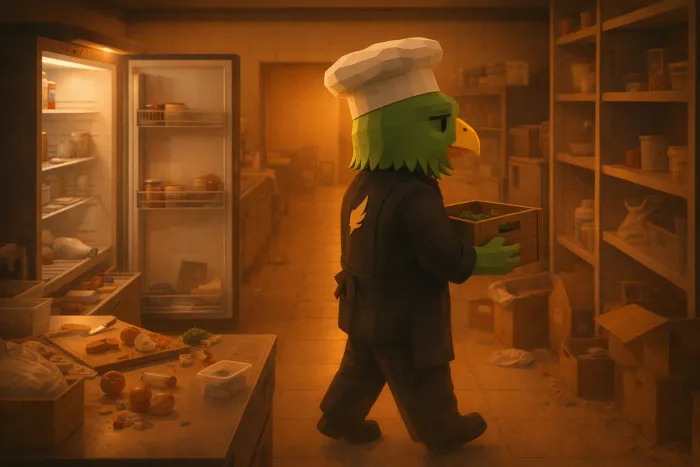
For restaurant owners and kitchen managers, this late-night process carries a lot of pressure.
If something is missed, tomorrow’s service can be affected. Running out of a key ingredient means changing dishes, disappointing guests, or scrambling for emergency supplier calls.
That’s why many operators double-check everything:
- scanning shelves repeatedly
- comparing notes from different stations
- reviewing yesterday’s orders
- confirming supplier availability
By the time the final orders are sent, the workday has stretched well beyond closing time.
For many teams, this routine happens five or six nights a week.
The Operational Cost of Late-Night Inventory Work
The time spent on manual restaurant inventory management has ripple effects beyond just a longer day.
First, it increases fatigue. Decision-making becomes harder when managers are already mentally drained from service.
Second, it introduces more room for errors. Estimating stock levels late at night in a cluttered kitchen isn’t ideal for accuracy.
Third, it keeps valuable staff focused on administrative tasks instead of operational improvements—things like menu optimization, supplier negotiations, or staff training.
Many restaurant teams accept this as simply “part of the job.” But in reality, it’s often a result of fragmented tools and disconnected processes.
Moving Toward Smarter Inventory Workflows
Modern kitchens are starting to rethink how restaurant inventory management fits into daily operations.
Instead of relying on end-of-day manual checks, many teams are moving toward systems that provide clearer visibility throughout the day. This can include:
- real-time inventory tracking
- automated supplier ordering suggestions
- centralized supplier management
- easier communication between kitchen and purchasing
Tools designed for hospitality operations aim to reduce the nightly scramble by keeping stock information organized as service happens—not hours afterward.
For example, systems that integrate supplier ordering and inventory visibility can dramatically reduce the time spent assembling orders. If you’re interested in how supplier coordination can be streamlined, the guide on /blog/how-ivy-simplifies-restaurant-supplier-management-and-ordering-setup explains how kitchens are simplifying this process.
Small Changes That Reduce Inventory Stress
Even without a full operational overhaul, a few practical shifts can help reduce the pressure of late-night inventory work:
- Standardizing storage locations for key ingredients
- Keeping consistent container sizes for easier visual estimation
- Logging major stock usage during prep or service
- Centralizing supplier order templates
Each of these changes reduces guesswork when it’s time to place orders.
The goal isn’t perfection. It’s making sure that inventory checks don’t become the most exhausting part of the day.
A Common Problem Across the Industry
Restaurant inventory management often happens behind the scenes, long after guests have gone home. Yet it plays a critical role in keeping kitchens running smoothly.
When the process relies entirely on manual checks, late-night spreadsheets, and scattered supplier communication, it places a heavy operational burden on already busy teams.
As restaurants continue adopting smarter operational tools, one of the biggest opportunities isn’t just saving money on ingredients—it’s giving kitchen teams their evenings back.
Written by
Kitchen Crew
Tips and guides for kitchens that would rather cook than write supplier emails.
Related Articles
You might also find these useful

How Ivy Simplifies Restaurant Supplier Management and Ordering Setup
Ivy automates restaurant supplier management: organized items, drafted supplier emails, less after-hours admin for kitchen teams.
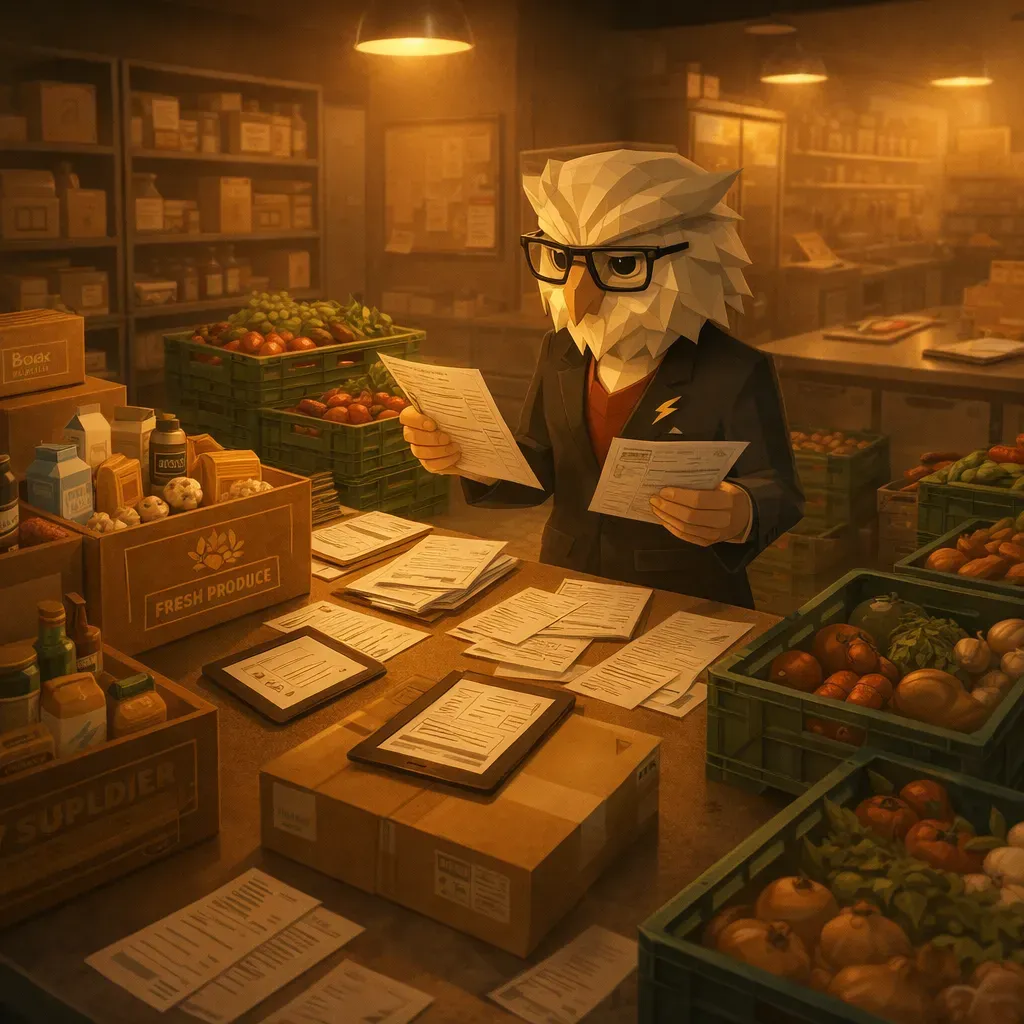
A Faster Way to Handle Restaurant Supplier Ordering and Track Discounts
Restaurant owners can save hours each week by simplifying supplier ordering and tracking discounts across vendors in one place.